Buy reyan.eu ?
We are moving the project
reyan.eu .
Are you interested in purchasing the domain
reyan.eu ?
domain@kv-gmbh.de · 0541-91531010
Buy reyan.eu ?
Which books from the 19th century are about the 19th century?
Several books from the 19th century are about the 19th century itself, offering insights into the social, political, and cultural aspects of the time. Some notable examples include "Middlemarch" by George Eliot, which provides a detailed portrayal of English provincial life in the 1830s, and "Les Misérables" by Victor Hugo, which explores the social and political turmoil in France during the early 19th century. Additionally, "A Tale of Two Cities" by Charles Dickens offers a vivid depiction of the French Revolution and its impact on both England and France. These books provide valuable perspectives on the 19th century and its historical significance. **
Which date in the 19th century?
It is unclear which specific date in the 19th century you are referring to as there are many significant events that occurred during that time period. The 19th century spanned from January 1, 1801, to December 31, 1900. Some notable dates in the 19th century include July 14, 1789, the start of the French Revolution; June 18, 1815, the Battle of Waterloo; and April 15, 1865, the assassination of President Abraham Lincoln. **
Similar search terms for 19th century
Top-Angebote
Products related to 19th century:
-
Why was the 19th century a century of humiliation for China?
The 19th century was a century of humiliation for China due to a series of military defeats and unequal treaties imposed by Western powers and Japan. These defeats, such as the Opium Wars and the Sino-Japanese War, resulted in the loss of territory, extraterritorial rights for foreign powers, and the imposition of unequal trade agreements. China's inability to modernize and defend itself against foreign aggression during this period further contributed to its humiliation and loss of sovereignty. This era marked a significant decline in China's power and influence on the global stage. **
-
What is feminism in the 19th century?
Feminism in the 19th century was a social and political movement that aimed to achieve equality for women in various aspects of society. During this time, feminists advocated for women's rights, including the right to vote, access to education, and opportunities for employment. The movement also sought to challenge traditional gender roles and stereotypes that limited women's freedom and opportunities. Feminist activists in the 19th century played a crucial role in laying the foundation for the advancements in women's rights that would follow in the 20th century. **
-
What does this 19th century caricature say?
This 19th century caricature depicts a man with a large head and small body, sitting on a throne with a crown on his head. The man is surrounded by various symbols of power and wealth, such as money bags and a scepter. The caricature is likely commenting on the idea of excessive wealth and power leading to arrogance and a sense of entitlement. It may also be critiquing the notion of inherited privilege and the idea of being born into a position of authority without earning it. **
-
Was misogyny normal in the 19th century?
Misogyny was unfortunately prevalent and considered normal in the 19th century. Women were often seen as inferior to men, both intellectually and socially, and were denied many rights and opportunities. This attitude was reflected in laws, literature, and societal norms of the time. Women were expected to be submissive and obedient to men, and challenging this status quo was met with resistance. It wasn't until much later that significant progress was made in the fight for gender equality. **
What is poverty in the 19th century?
In the 19th century, poverty was widespread and often characterized by extreme deprivation and hardship. Many people lived in overcrowded and unsanitary conditions, with limited access to clean water, adequate nutrition, and healthcare. Poverty was often intergenerational, with families passing down their lack of resources and opportunities to future generations. Additionally, there were limited social safety nets and support systems in place, leaving many individuals and families vulnerable to the harsh realities of poverty. **
What does this 19th-century cartoon say?
This 19th-century cartoon titled "The American River Ganges" is a satirical commentary on the influence of the Catholic Church in American politics. The cartoon depicts bishops and priests as crocodiles swimming in the river, symbolizing their perceived threat to the separation of church and state. The title references the Ganges River in India, known for its religious significance, to suggest that the Catholic Church is exerting a similar level of control in America. Overall, the cartoon conveys a message of concern about the growing power of the Catholic Church in American society. **
Top-Angebote
Products related to 19th century:
-
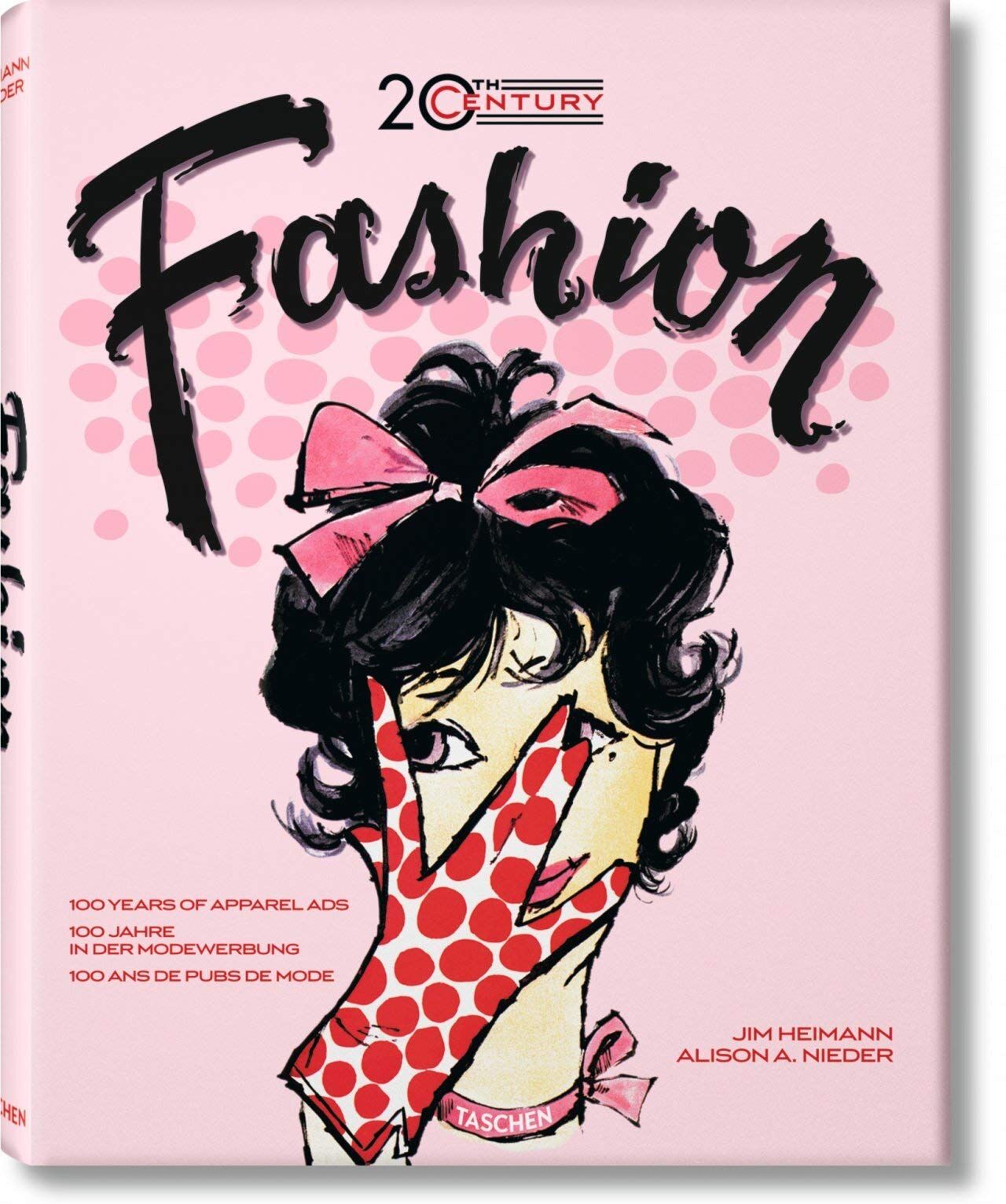
20th Century Fashion: 100 Years of Apparel Ads By Alison A. Nieder - Non Fiction - Hardback Taschen GmbHThe way we wore The story of modern fashion from couture to mass market The 20th century saw fashion evolve from an exclusive Parisian salon business catering to a wealthy elite, into a global industry employing millions, with new trends whisked into stores before the last model has left the catwalk. Along the way, the signature feminine silhouettes of each era evolved beyond recognition: House of Worth crinolines gave way to Vionnet s bias-cut gowns, Dior s New Look to Quant s Chelsea Look, Halston s white suit to Frankie B. s low-rise jeans. In menswear, ready-made suits signaled the demise of bespoke tailoring, long before Hawaiian shirts, skinny ties or baggy pants entered the fore. 20th Century Fashion offers a stylish retrospective of the last hundred years, via 400 fashion advertisements from the Jim Heimann Collection. Using imagery culled from a century of advertising, this book documents the unrelenting pace of fashion as it was adopted into the mass culture, decade by decade. An in-depth introduction, chapter text, and illustrated timeline detail the style-makers and trend-setters, from couture to the mass market; and how the historic events, design houses, retailers, films, magazines, and celebrities shaped the way we dressed then and now.14,99 £*Shipping: 2,99 £Secure redirect to the provider
-
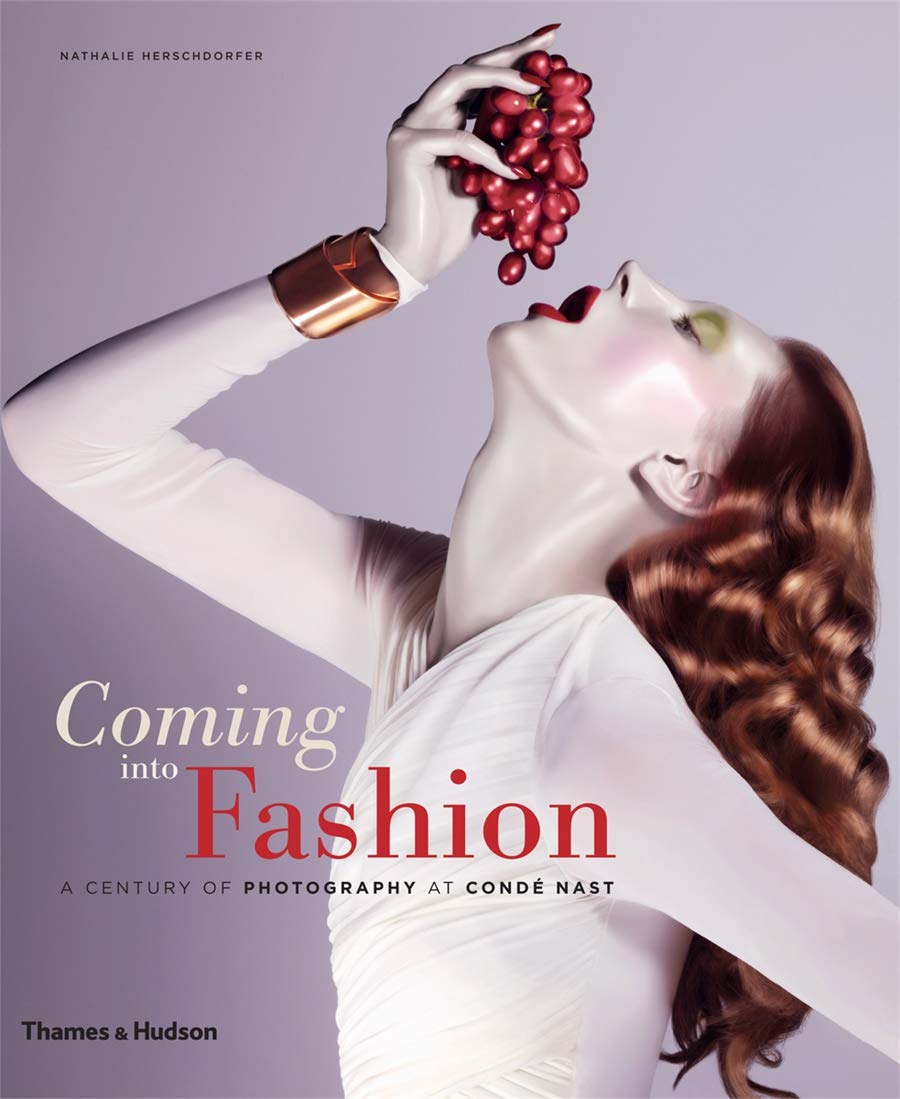
Coming into Fashion: A Century of Photography at Condé Nast By Nathalie Herschdorfer - Non Fiction - Hardback Thames & Hudson LtdFashion photographs – glamorous, provocative, beautiful, accomplished, magical – have always been associated with some of the most famous names in the history of photography, such as Cecil Beaton, Irving Penn, Helmut Newton and Mario Testino. This has been the case since the beginnings of fashion photography in the early years of the 20th century: the great American photographer Edward Steichen took what were probably the first fashion photographs in 1911 and since then some of the most distinguished practitioners have turned fashion photography into an art form. For many fashion photographers it was the editors and art directors at Condé Nast publications, such as Edna Woolman Chase, Diana Vreeland and Alexander Liberman, who launched their careers. This book, accompanying a major international exhibition, looks at the early work by such luminaries as Horst P. Horst, Erwin Blumenfield, David Bailey, Guy Bourdin, Corinne Day, Deborah Turbeville and Sølve Sundsbø as it appeared in the pages of Vogue , Glamour and other Condé Nast magazines. This creative collaboration has kept fashion photography - and Condé Nast - innovative and often challenging but always able to capture the style of the day.14,99 £*Shipping: 2,99 £Secure redirect to the provider
-
Which books from the 19th century are about the 19th century?
Several books from the 19th century are about the 19th century itself, offering insights into the social, political, and cultural aspects of the time. Some notable examples include "Middlemarch" by George Eliot, which provides a detailed portrayal of English provincial life in the 1830s, and "Les Misérables" by Victor Hugo, which explores the social and political turmoil in France during the early 19th century. Additionally, "A Tale of Two Cities" by Charles Dickens offers a vivid depiction of the French Revolution and its impact on both England and France. These books provide valuable perspectives on the 19th century and its historical significance. **
-
Which date in the 19th century?
It is unclear which specific date in the 19th century you are referring to as there are many significant events that occurred during that time period. The 19th century spanned from January 1, 1801, to December 31, 1900. Some notable dates in the 19th century include July 14, 1789, the start of the French Revolution; June 18, 1815, the Battle of Waterloo; and April 15, 1865, the assassination of President Abraham Lincoln. **
-
Why was the 19th century a century of humiliation for China?
The 19th century was a century of humiliation for China due to a series of military defeats and unequal treaties imposed by Western powers and Japan. These defeats, such as the Opium Wars and the Sino-Japanese War, resulted in the loss of territory, extraterritorial rights for foreign powers, and the imposition of unequal trade agreements. China's inability to modernize and defend itself against foreign aggression during this period further contributed to its humiliation and loss of sovereignty. This era marked a significant decline in China's power and influence on the global stage. **
-
What is feminism in the 19th century?
Feminism in the 19th century was a social and political movement that aimed to achieve equality for women in various aspects of society. During this time, feminists advocated for women's rights, including the right to vote, access to education, and opportunities for employment. The movement also sought to challenge traditional gender roles and stereotypes that limited women's freedom and opportunities. Feminist activists in the 19th century played a crucial role in laying the foundation for the advancements in women's rights that would follow in the 20th century. **
Similar search terms for 19th century
-
What does this 19th century caricature say?
This 19th century caricature depicts a man with a large head and small body, sitting on a throne with a crown on his head. The man is surrounded by various symbols of power and wealth, such as money bags and a scepter. The caricature is likely commenting on the idea of excessive wealth and power leading to arrogance and a sense of entitlement. It may also be critiquing the notion of inherited privilege and the idea of being born into a position of authority without earning it. **
-
Was misogyny normal in the 19th century?
Misogyny was unfortunately prevalent and considered normal in the 19th century. Women were often seen as inferior to men, both intellectually and socially, and were denied many rights and opportunities. This attitude was reflected in laws, literature, and societal norms of the time. Women were expected to be submissive and obedient to men, and challenging this status quo was met with resistance. It wasn't until much later that significant progress was made in the fight for gender equality. **
-
What is poverty in the 19th century?
In the 19th century, poverty was widespread and often characterized by extreme deprivation and hardship. Many people lived in overcrowded and unsanitary conditions, with limited access to clean water, adequate nutrition, and healthcare. Poverty was often intergenerational, with families passing down their lack of resources and opportunities to future generations. Additionally, there were limited social safety nets and support systems in place, leaving many individuals and families vulnerable to the harsh realities of poverty. **
-
What does this 19th-century cartoon say?
This 19th-century cartoon titled "The American River Ganges" is a satirical commentary on the influence of the Catholic Church in American politics. The cartoon depicts bishops and priests as crocodiles swimming in the river, symbolizing their perceived threat to the separation of church and state. The title references the Ganges River in India, known for its religious significance, to suggest that the Catholic Church is exerting a similar level of control in America. Overall, the cartoon conveys a message of concern about the growing power of the Catholic Church in American society. **
* All prices are inclusive of VAT and, if applicable, plus shipping costs. The offer information is based on the details provided by the respective shop and is updated through automated processes. Real-time updates do not occur, so deviations can occur in individual cases. ** Note: Parts of this content were created by AI.